
Home /
Blog /
Commercial
Commercial · 5 min read
Commercial lawn maintenance should define turf care, bed care, irrigation, clean-ups, reporting, and winter coordination before the season starts.

A Clear Scope Protects the Board and the Property
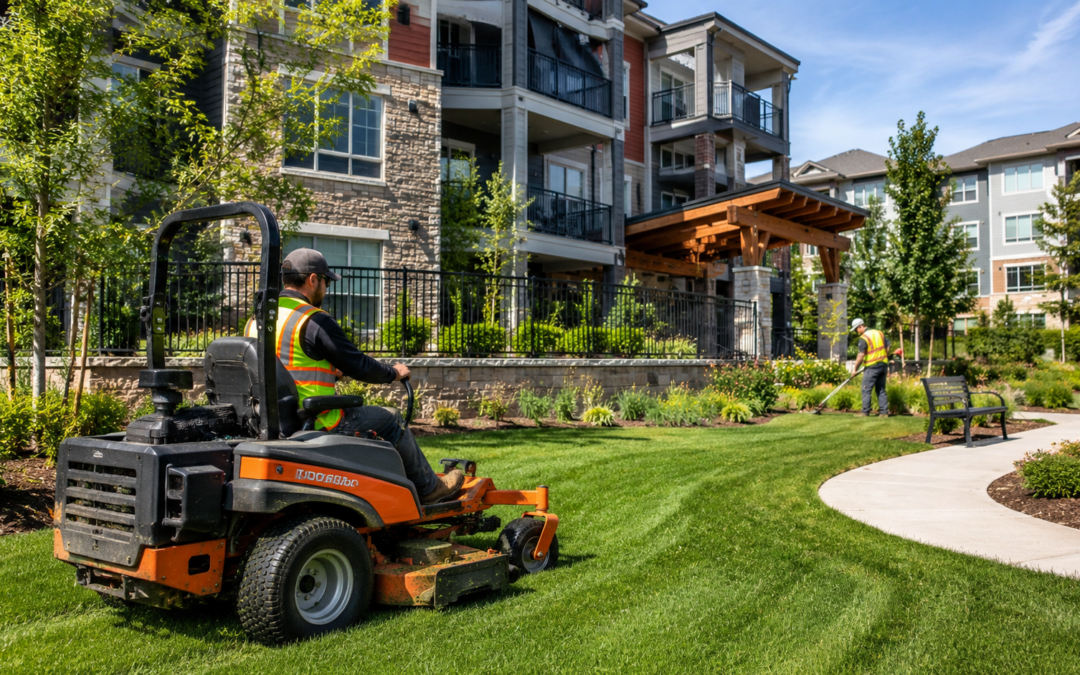
A strata board or property manager should not have to decode a landscape proposal after service begins. The scope should name the visible areas, recurring tasks, exclusions, response process, and seasonal changeovers before crews arrive. That matters on commercial and multi-family sites because the landscape is not just decorative. It affects curb appeal, tenant complaints, owner confidence, site safety, and the amount of time the manager spends chasing vendors.
For Calgary and Okotoks properties, the scope also needs to match the weather pattern. Spring can bring gravel, debris, and winter turf stress. Summer can bring fast growth, dry stretches, irrigation adjustments, and smoke or heat stress. Fall creates leaf loads and winter prep. Winter can shift the conversation to snow storage, access routes, ice control, and reporting. A generic mowing agreement misses too much of that operating reality.
| Scope area | What the board should see | Why it matters |
|---|---|---|
| Turf care | Mowing, trimming, edging, aeration, dethatching, fertilizing, and site-specific height expectations. | Makes proposals easier to compare and prevents vague service disputes. |
| Garden beds | Weeding, edging, pruning, mulch care, perennial cutbacks, and bed refresh responsibilities. | Keeps entrances, signage beds, and common areas from looking neglected between visits. |
| Irrigation | Startup, seasonal adjustments, head checks, leaks, repairs, and winterization responsibilities. | Controls water waste, dry zones, and overspray complaints. |
| Reporting | Visit notes, photos where useful, deficiency flags, and escalation contacts. | Gives managers proof of work and a cleaner way to answer owners. |
Strata Properties Need More Than Mowing
A residential lawn crew can cut grass and leave. A commercial maintenance partner has a bigger job. Strata and condo-style properties have shared entrances, sidewalks, mail areas, parking edges, play spaces, slopes, irrigation zones, sign beds, trees, shrubs, and resident traffic. The board needs a contractor who understands that a missed edge along a front walk can create as many complaints as a missed mow in a back common area.
The right plan separates routine maintenance from enhancements. Routine work keeps the site presentable. Enhancements can include repairs, mulch top-ups, plant replacements, small grading fixes, bed rebuilds, seasonal colour, and larger commercial landscape construction work. When those categories are blended together, the board can think a service is included while the contractor sees it as extra work. Clear categories make budgeting calmer.
This is also where communication matters. Board members may not be on site when crews are working. Property managers may oversee several communities at once. A maintenance program should make the work visible through scheduled updates, site notes, and a named contact who can explain what changed, what was skipped because of weather, and what needs approval before the next visit.
Questions to Ask Before Signing
A few questions surface most scope gaps before service begins:
01
Which areas are included?
Ask for a map or marked site list that shows turf, beds, common paths, parking edges, slopes, signage beds, and areas outside the contract.
02
How often will the site be serviced?
Frequency should reflect season, growth rate, weather, and property standard — not a fixed calendar that ignores conditions.
03
What happens during drought or smoke-heavy weeks?
Ask whether mowing height, irrigation timing, and turf stress response can change when conditions require it.
04
How are deficiencies reported?
A manager should know whether photos, notes, email updates, or portal-style reporting are part of the work.
05
Who handles the winter handoff?
If the same property needs snow and ice management, confirm parking lots, walks, entrances, snow storage, and ice response before the first freeze.
A Better Maintenance Rhythm
The strongest commercial programs feel predictable without being rigid. Spring starts with cleanup, turf assessment, bed preparation, irrigation startup coordination, and repairs discovered after snowmelt. Summer focuses on consistent appearance, water management, pruning timing, and fast response to tenant-facing issues. Fall handles leaf removal, perennial cutbacks, final turf care, and winter preparation. Winter shifts to access, ice, snow storage, and documentation.
A board can use that rhythm to set expectations with residents. Instead of fielding repeated questions about why one area was not cut after rain or why a bed has not been refreshed yet, the manager can point to the service plan.
That turns landscaping from a complaint queue into a managed property system.
Want a maintenance scope built around your property — not a generic mowing agreement?
What to Confirm Before Approval
Before a commercial or strata property approves exterior work, the manager should have the essentials in writing. That final check is where many maintenance problems are prevented. It gives the board a record, gives the contractor a clear target, and gives the property manager language they can use when owners, tenants, or residents ask why a task is handled a certain way.
Before approval, make sure the board has:
- A written service map
- A seasonal calendar
- An escalation contact
- Included tasks, clearly listed
- Excluded tasks, clearly listed
- An approval path for extra work
The review should also name what happens when conditions change. Weather delays, wet turf, irrigation breaks, plant stress, snow storage, site damage, or emergency access concerns can all affect the plan. A useful agreement explains how those conditions are reported and who approves the next step. That is the difference between buying a service and building a working property-management system.
If the property has repeating complaint areas, add them to the kickoff notes. Entrances, mail areas, parking islands, shaded turf, slopes, irrigation hot spots, and snow storage zones deserve attention because they are the places owners notice first.

Kayben Landscaping
Commercial landscape maintenance for multi-family, retail, institutional, and large-scale properties across Okotoks and South Calgary.
Common questions
Commercial Maintenance FAQs
What should commercial lawn maintenance include for a strata property?
It should include turf care, bed care, irrigation responsibilities, seasonal cleanups, reporting, site maps, issue response, and clear exclusions for repairs or enhancements.
How often should a Calgary commercial property be serviced?
Frequency depends on season, growth rate, property standard, irrigation, weather, and site use. A good plan explains how service changes when conditions change.
Should snow and ice be part of the same maintenance conversation?
Yes. Even if snow is a separate scope, commercial properties need winter access planning, snow storage rules, ice response, and communication expectations before winter.
What should a strata board ask before hiring a landscape company?
Ask for service areas, seasonal schedule, reporting method, insurance and safety process, escalation contact, exclusions, and how repairs or enhancements are approved.
Keep reading
More on Commercial Grounds Care

Make the property easier to manage
Shape a Maintenance Scope That Fits Your Property
A strata landscape plan should make the property easier to manage, not add another vendor to chase. Kayben can help boards and property managers shape a maintenance scope that fits the site, the season, and the level of presentation the property needs.
- A scope built around your site and season
- Turf, beds, irrigation, cleanups, and reporting
- Winter coordination when the property needs it
- One accountable partner instead of another vendor to chase
Start a Commercial Scope
Tell Kayben about your property and the team can recommend a maintenance plan for the site and season.
Prefer to talk it through? Get in touch