Home / Blog / Commercial
Commercial · 5 min read Condo boards should ask about service scope, site maps, reporting, insurance, snow planning, irrigation, and approval rules before choosing a landscaping partner.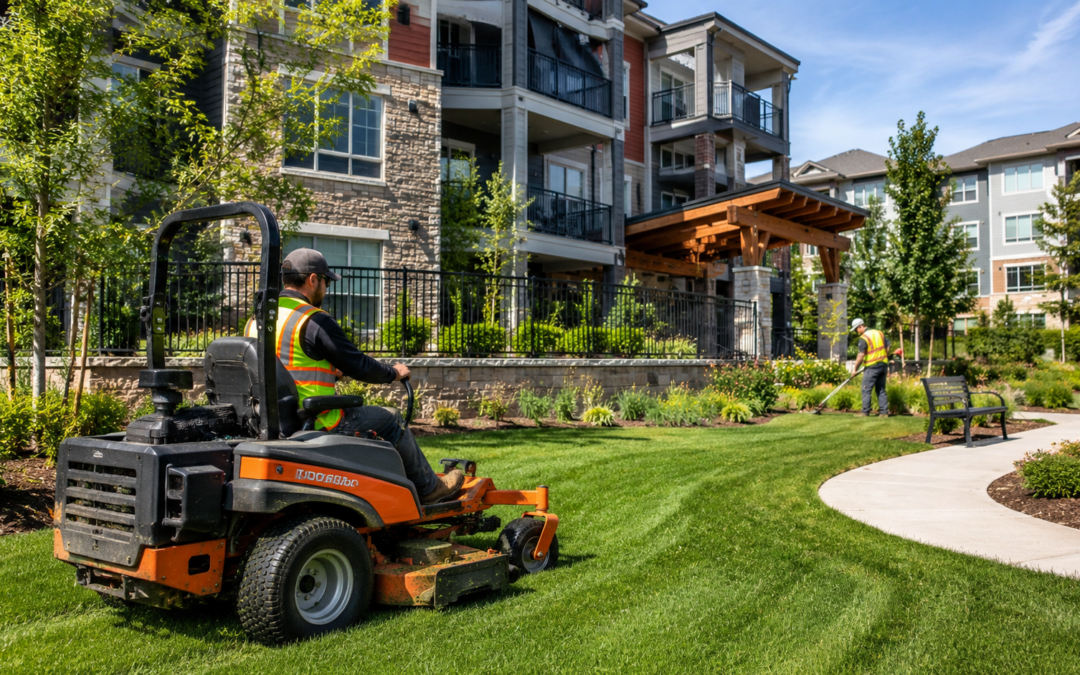
The Board Needs a Managed Service, Not a Guess
Condo boards make landscape decisions in public. Owners see missed trimming, dry turf, weedy beds, snow piles, and slow cleanup before they see the contract language that caused the problem. A board can reduce those complaints by asking better questions before hiring. The goal is not to micromanage the contractor. The goal is to make the standard clear enough that everyone knows what the site should look like and how concerns will be handled.
Alberta condo resources point out that boards and managers carry day-to-day responsibilities for property operations. Landscaping and snow removal can be contracted out, but the board still needs to understand what has been assigned, what remains outside the agreement, and how performance will be reviewed.
The First Question Is What Is Included
A board should ask for a site map or written area list. The list should include turf, signage beds, entrance beds, parking islands, internal walks, perimeter strips, slopes, amenity areas, irrigation zones, and any areas that are specifically excluded. Without that map, a board may assume an area is covered while the contractor prices only the most visible spaces.
The same applies to tasks. Mowing, trimming, edging, pruning, weeding, mulch, irrigation, turf repair, snow, ice, and seasonal cleanups should not sit under one vague word like maintenance. Each task needs a standard, timing, and approval process. Clear work categories protect both the board and the contractor. For a fuller look at what that scope should define, see our guide to commercial lawn maintenance in Calgary and Okotoks.
| Board question | What a strong answer includes | Risk if skipped |
|---|---|---|
| Which areas are covered? | Marked map or detailed list of all included and excluded areas. | Owners may complain about areas the contractor never priced. |
| How do you report work? | Visit notes, photos when useful, issue flags, and a named contact. | The manager spends time chasing status updates. |
| What is extra? | Repairs, irrigation parts, mulch, plant replacement, and storm cleanup rules. | Unexpected invoices or delayed repairs. |
| How is winter handled? | Trigger points, priority zones, ice control, storage, and communication. | Access complaints and unclear snow responsibility. |

Seasonal Planning Belongs in the Interview
Calgary-area properties do not have one maintenance season. They have a spring recovery period, a fast-growth period, a hot and dry period, a fall cleanup period, and a winter access period. A board should ask how the contractor changes service across those periods. The right answer should mention timing, weather adjustments, irrigation checks, cleanup windows, snow readiness, and how deficiencies are handled.
The property may need extra attention after snowmelt, during irrigation startup, around heavy rain, or when fall leaves collect along entrances. A seasonal plan makes those changes expected rather than reactive.
A contractor who treats every month the same may be easy to price but hard to manage.Kayben Landscaping
Communication Makes or Breaks Board Confidence
The person who approves the contract is often not the person who sees the crew. That creates a visibility gap. Boards should ask who the day-to-day contact is, how urgent issues are sent in, how non-urgent deficiencies are tracked, and how often the manager receives updates. If a contractor finds broken irrigation, plant stress, drainage problems, or damage from vehicles, the board needs to know before the issue becomes a resident complaint.
Ask for examples of service reports or update formats. The document does not need to be fancy. It needs to answer what was completed, what could not be completed, what changed because of weather, and what needs approval.
A Fair Hiring Process
Five steps keep a board’s selection fair and easy to defend to owners:
Start with site priorities
List the areas that create the most complaints or value: entrances, signage, common turf, parking edges, sidewalks, and amenity spaces.
Ask each bidder to price the same scope
A board cannot compare proposals if every bidder priced a different service list.
Review exclusions before the total
Hidden exclusions explain many low bids.
Confirm reporting and response
Boards need proof of work, not just promises.
Schedule a seasonal review
Build in a time to review turf, beds, irrigation, snow, and enhancement needs before the next budget cycle.
Getting quotes for your community’s common areas this season?
Request a QuoteWhat to Confirm Before Approval
Before a commercial or strata property approves exterior work, the manager should have the essentials in writing. That final check is where many maintenance problems are prevented. It gives the board a record, gives the contractor a clear target, and gives the property manager language they can use when owners, tenants, or residents ask why a task is handled a certain way.
Before approval, make sure the board has:
- A written service map
- A seasonal calendar
- An escalation contact
- Included tasks, clearly listed
- Excluded tasks, clearly listed
- An approval path for extra work
The review should also name what happens when conditions change. Weather delays, wet turf, irrigation breaks, plant stress, snow storage, site damage, or emergency access concerns can all affect the plan. A useful agreement explains how those conditions are reported and who approves the next step. That is the difference between buying a service and building a working property-management system.
If the property has repeating complaint areas, add them to the kickoff notes. Entrances, mail areas, parking islands, shaded turf, slopes, irrigation hot spots, and snow storage zones deserve attention because they are the places owners notice first.

Kayben Landscaping
Commercial and strata landscape maintenance for condo communities, retail, and institutional properties across Calgary, South Calgary, and Okotoks.
Strata Landscaping FAQs
What should a condo board ask a landscaping company?
Ask about included areas, service frequency, seasonal planning, reporting, deficiencies, insurance and safety process, snow coordination, irrigation, and exclusions.
Should the board request a site map?
Yes. A marked map or clear area list prevents confusion about common areas, perimeter strips, parking islands, beds, slopes, and exclusions.
How should strata landscaping performance be reported?
A useful report should show work completed, weather delays, issues found, photos when needed, and items requiring approval.
Why is snow planning part of a landscaping conversation?
Many Alberta properties need year-round exterior management. Snow storage, ice control, access routes, and winter communication affect the same residents and managers.
More for Boards & Property Managers


Hire a Strata Landscaping Partner With Confidence
A board hiring a landscape partner should leave the first meeting with fewer unknowns. Kayben can help define the service areas, seasonal expectations, communication process, and maintenance scope before the contract begins.
- Defined service areas and a site map
- Seasonal expectations, snow, and irrigation
- A clear reporting and communication process
- Scope agreed before the contract begins
Start a Strata Scope
Tell Kayben about your community and the team can define areas, seasons, and reporting before you sign.
Open Quote Request →Prefer to talk it through? Get in touch